
Shakahari
Grow & Nourish
About the
Project
While researching organizations that provide food for those in need, we noticed that many meals are heavily meat-based. This inspired us to focus on offering nourishing vegetarian meals—because we believe people can be cared for without compromising compassion for animals or the planet.
As a lifelong vegetarian, this mission is deeply personal to us. Shakahari organizes community events that help fund and provide plant-based meals to individuals and families who may not have access to them. In addition to hosting these events, we grow our own vegetables to support our efforts.
Our location in the Douglas neighborhood of Chicago, Illinois allows us to serve the community directly. Half of the donations support growing fresh vegetables, while the other half helps prepare and distribute wholesome meals to those in need.
-
IndustryNonprofit, specifically community food access and urban agriculture, with fundraising events.
-
MissionShakahari's mission is to nourish Chicago communities with wholesome vegetarian meals, grown in our own garden and funded through community events, so that no one has to choose between a full plate and compassion for animals and the planet.
-
TargetVegetarians and plant-based supporters, socially conscious consumers who value community impact, health-focused individuals, and Chicago locals who want to support initiatives that provide nutritious meals to those in need.
Research
At Shakahari, our inspiration comes from India’s deep-rooted vegetarian traditions and the belief that food should nourish both body and soul. For generations, Indian cuisine has celebrated fresh ingredients, bold spices, and plant-based cooking that brings people together.
Our goal is to share the warmth, authenticity, and comfort of traditional vegetarian food with every meal we serve. Shakahari is a celebration of wholesome flavors, cultural heritage, and the joy of eating vegetarian.
Sketches
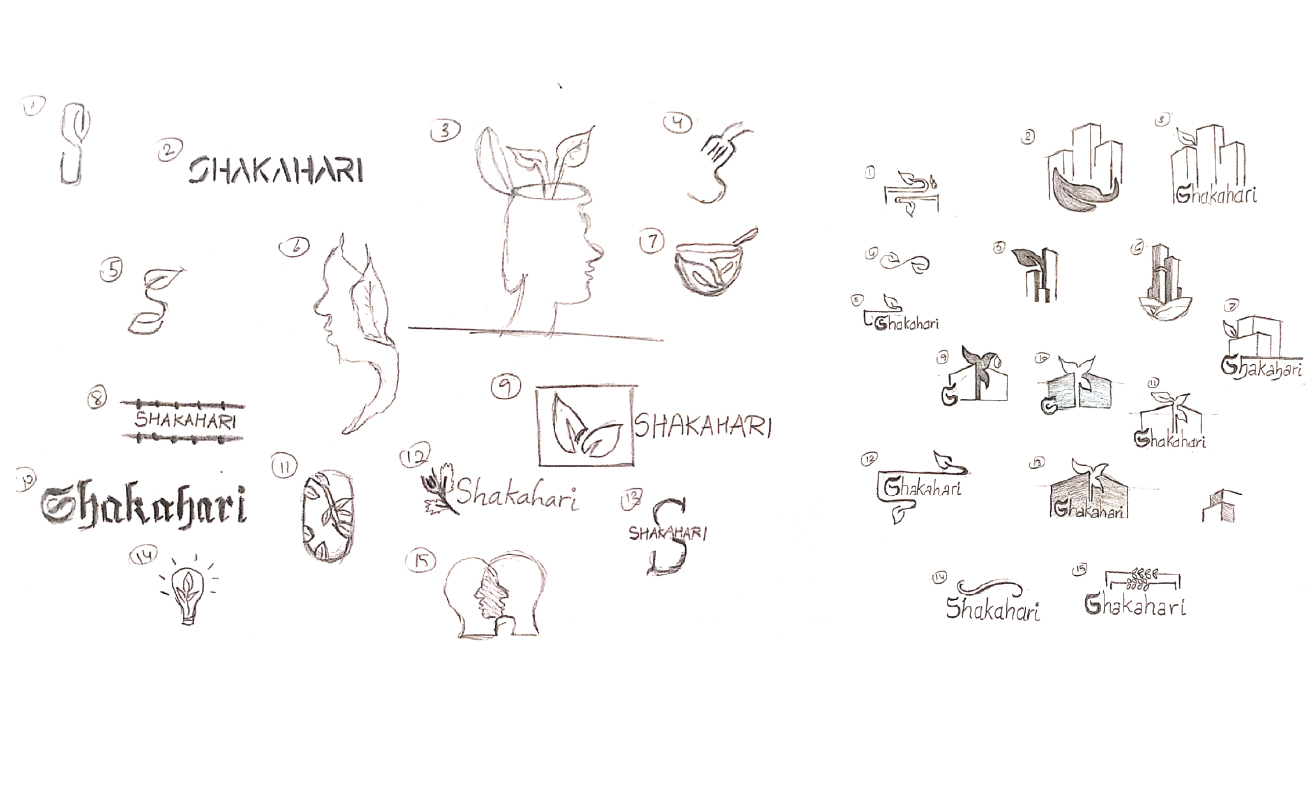
For the first round of sketches, I explored incorporating leaf elements to reflect the brand’s vegetarian identity and experimented with different leaf styles. Drawing on my experience with blackletter typography, I decided to maintain that aesthetic for the wordmark and experimented with integrating leaf-inspired letterforms within it, which is visible in sketch number 10. Since the brand represents an urban organization, I also explored concepts that included buildings and ways to visually suggest a garden environment. For the final concept, I selected sketch number 12 because the typeface best aligned with the direction I wanted to pursue, and the roof combined with leaf elements creates a distinctive and memorable logo.
Logo
Usage
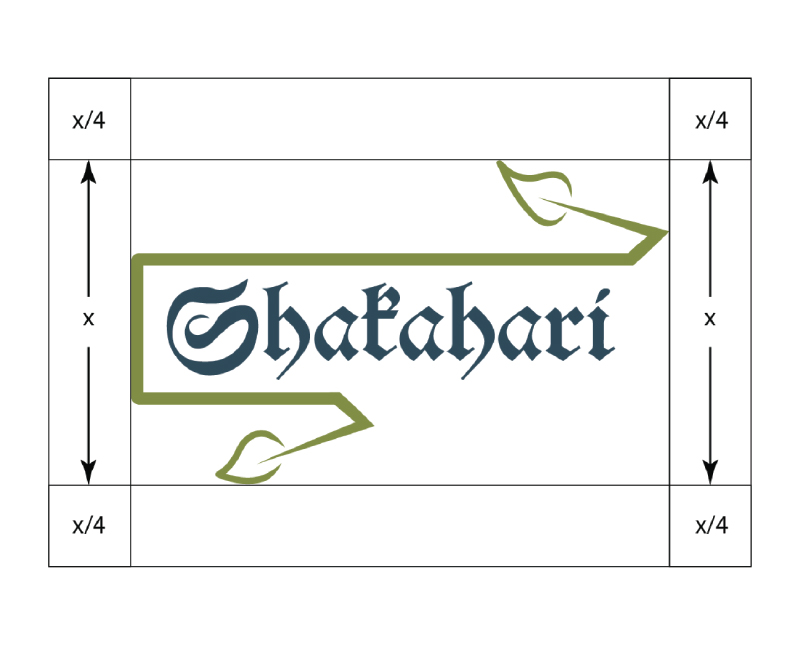
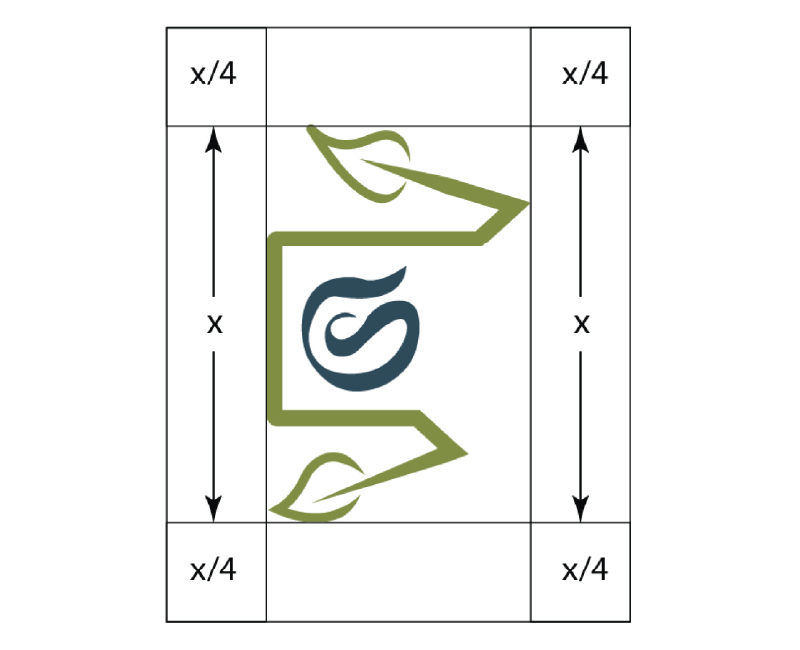
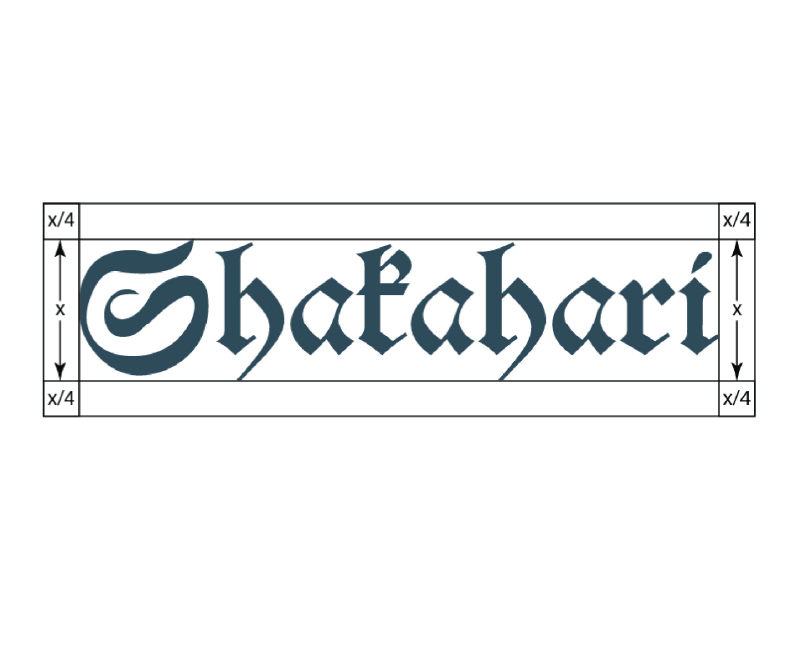
To maintain the logo’s visibility and impact, always surround it with sufficient clear space. No text, images, or graphic elements should enter this protected area. Clear Space (Live Area):
- Logo clear space: Live area = x/2 (where x is the logo height)
- Wordmark clear space: Live area = x/2 (where x is the logo height)
- The logo should never be used smaller than 0.5 inches in height.
Color
Palette
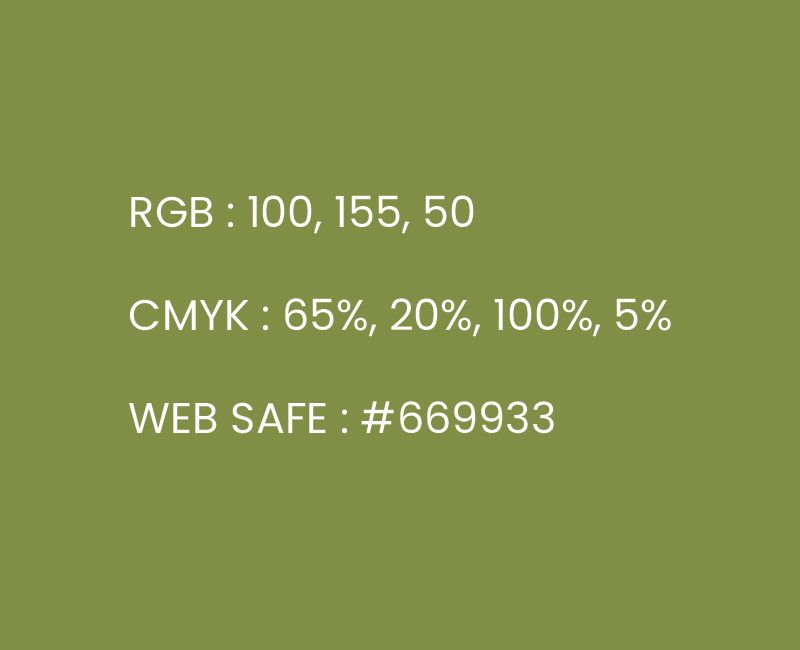
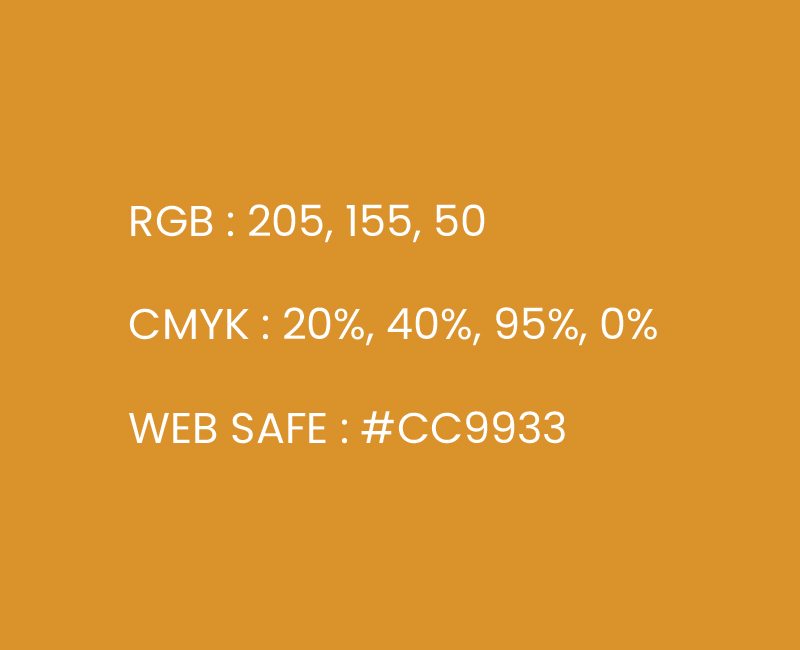
The Shakahari color palette blends green, deep blue, and saffron to create a distinctive and recognizable brand identity. These colors are the core brand colors used in the logo and are consistently applied across packaging, marketing materials, and digital communications. The logo should always appear in the official brand colors, or in black or white when required. The white version may be used on solid colored backgrounds to ensure clarity and visibility. In certain applications, the icon or the wordmark may be used independently. In all other cases, the complete logo should be displayed in its full form to maintain brand consistency.




Typography
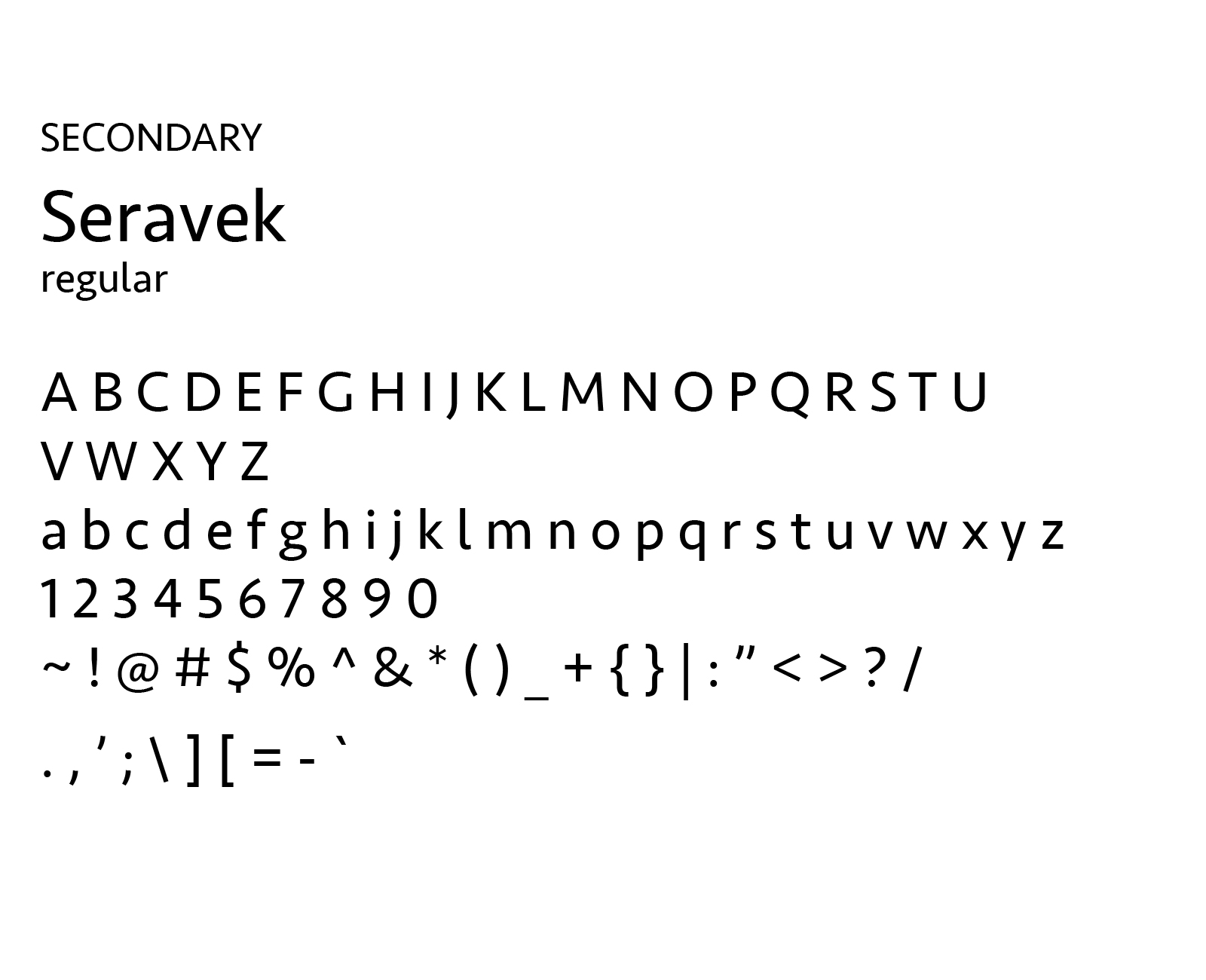
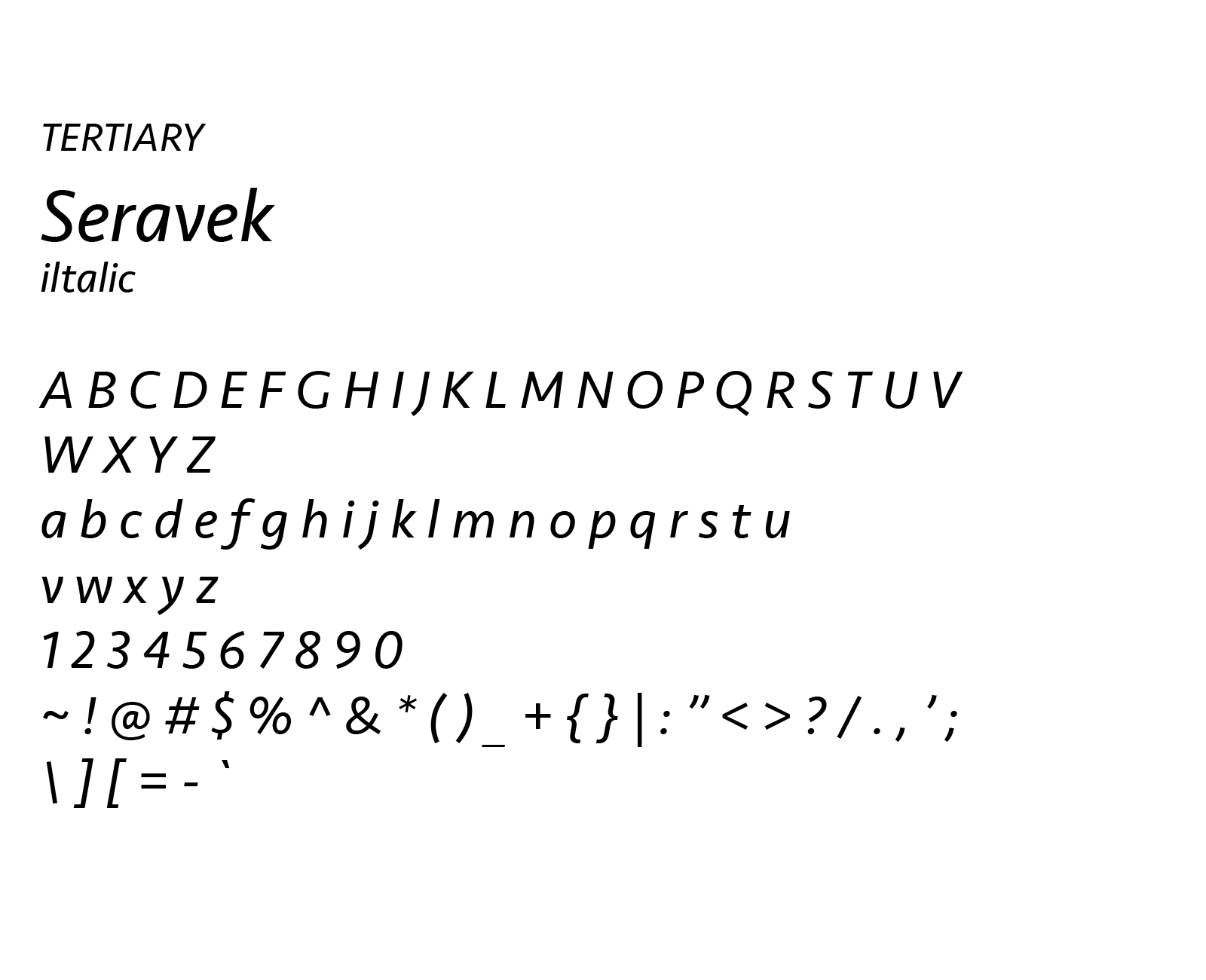
The logo uses the Schwabacher typeface, chosen for its softer and more approachable feel compared to traditional blackletter fonts. For supporting materials such as ID badges, business cards, signage, and other graphics, the Seravek typeface is used in various weights. Because the logo font is highly stylized, a clean sans-serif typeface was selected for body text to ensure readability and balance across all brand materials.

Event
Design & Site
Map
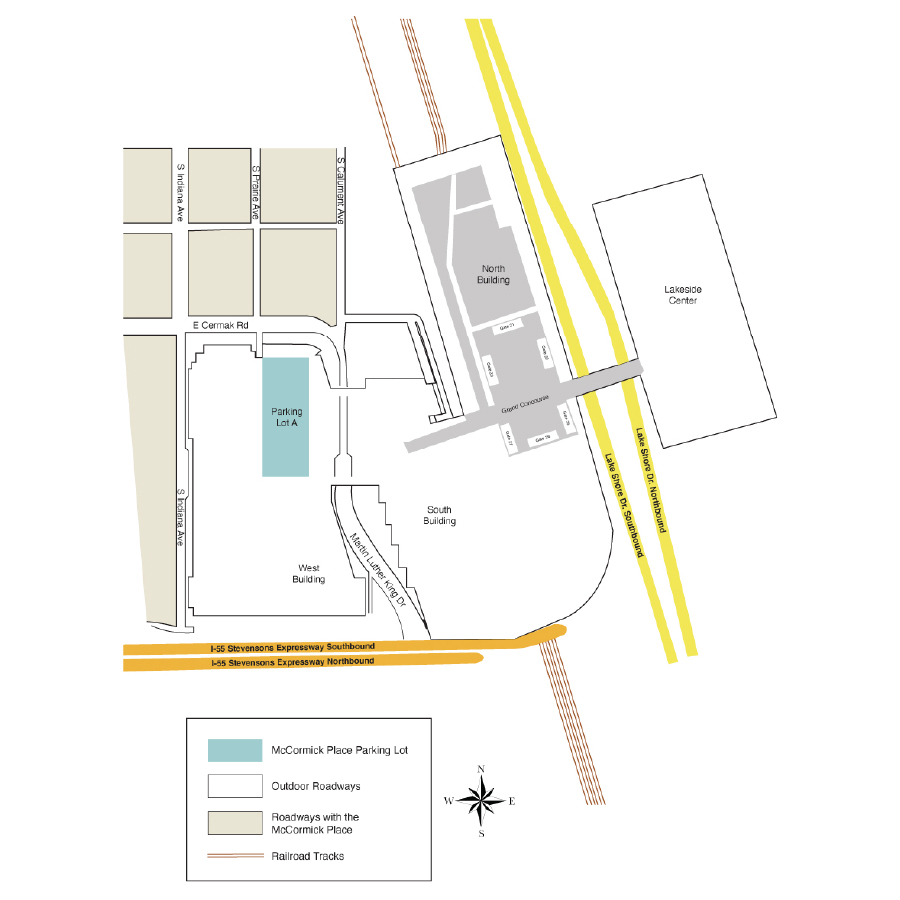
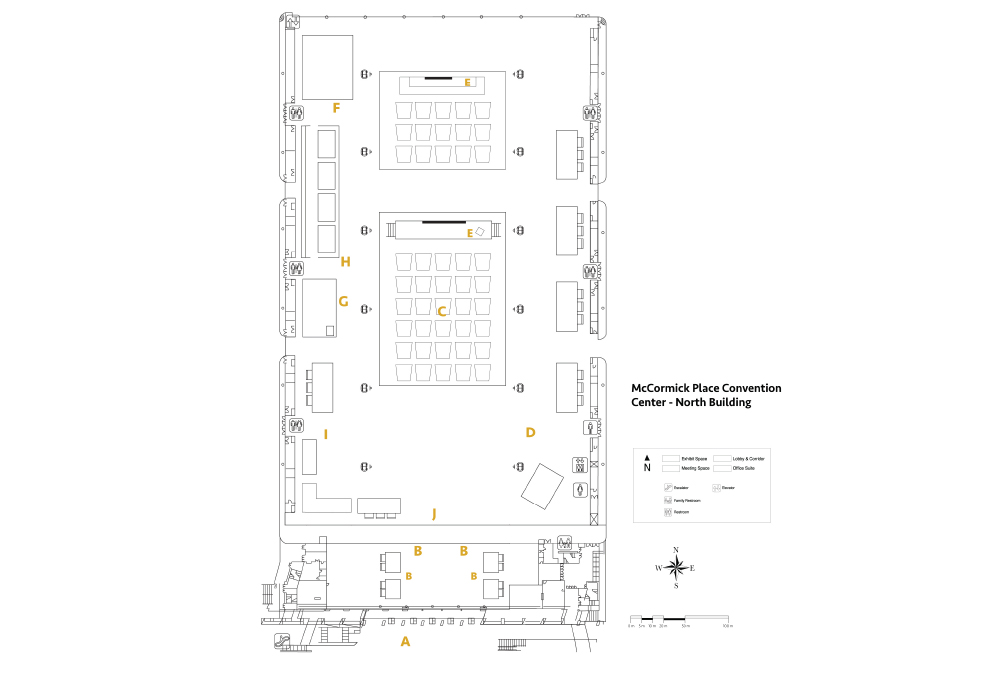
I chose McCormick Place in Chicago, IL for the event in July because it provides the large, flexible space needed for all the planned guest activities. Since the venue is so expansive, I selected the North Building and reserved a single hall to comfortably accommodate the public while keeping costs manageable.
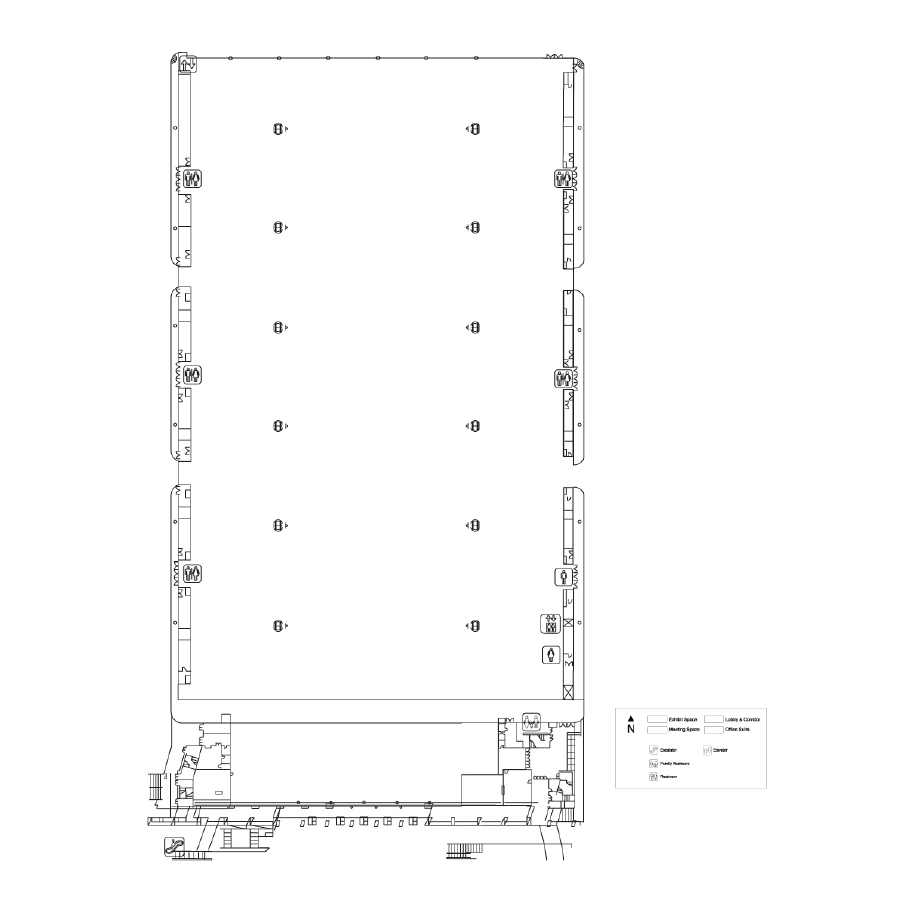
On the site map, the North Building is highlighted to show where the event will take place. Guests should park in Parking Lot A and walk through the concourse to reach the hall. The image on the right shows the floor plan of the McCormick Place North Building. Since the event will be held in a single hall, the attached hall has been excluded for clarity. The floor plan is sourced from the McCormick Place website.
User Journey
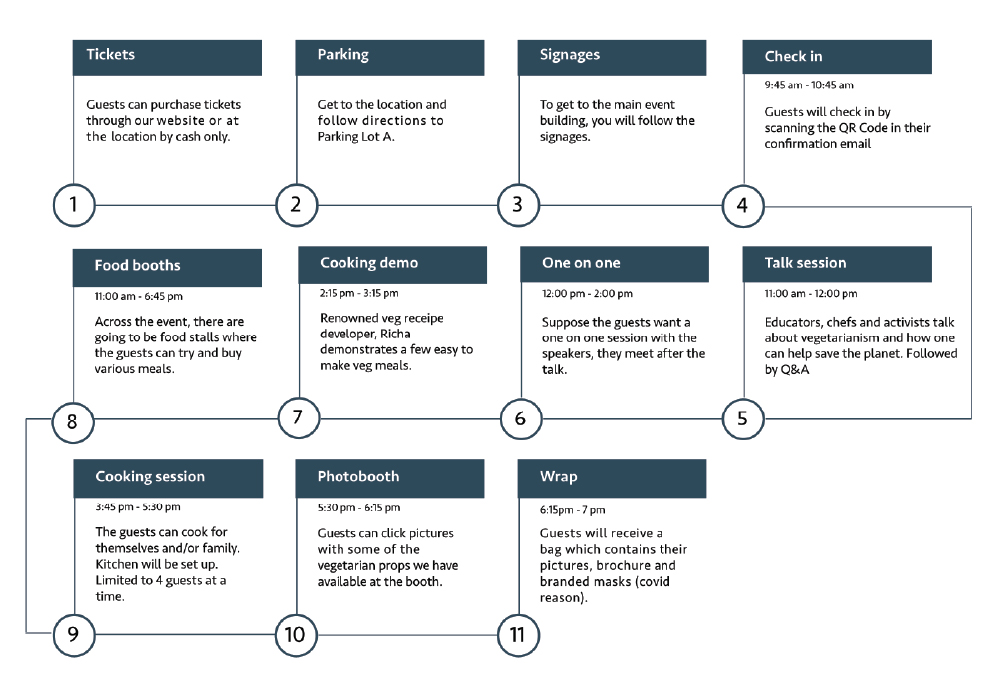
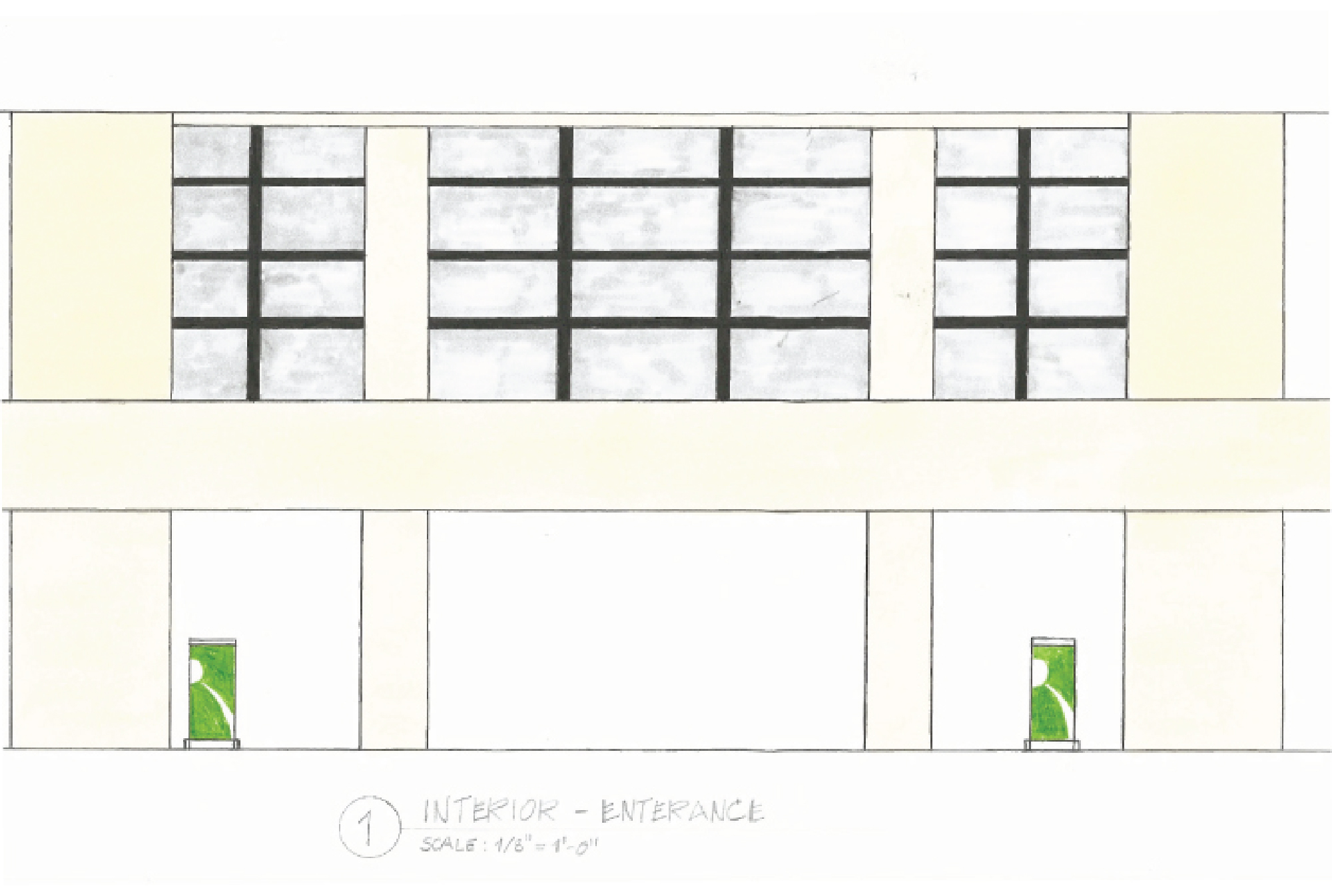
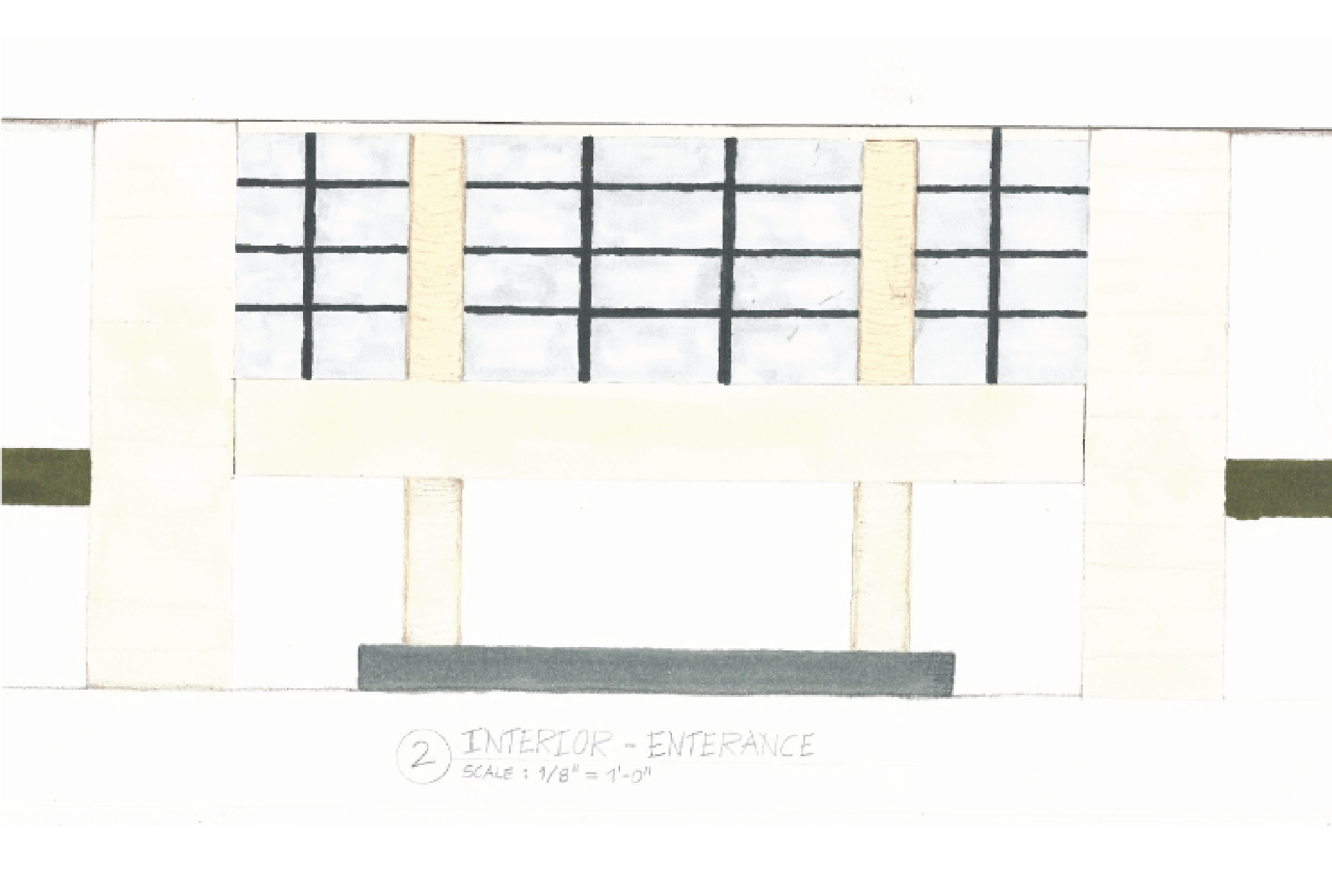
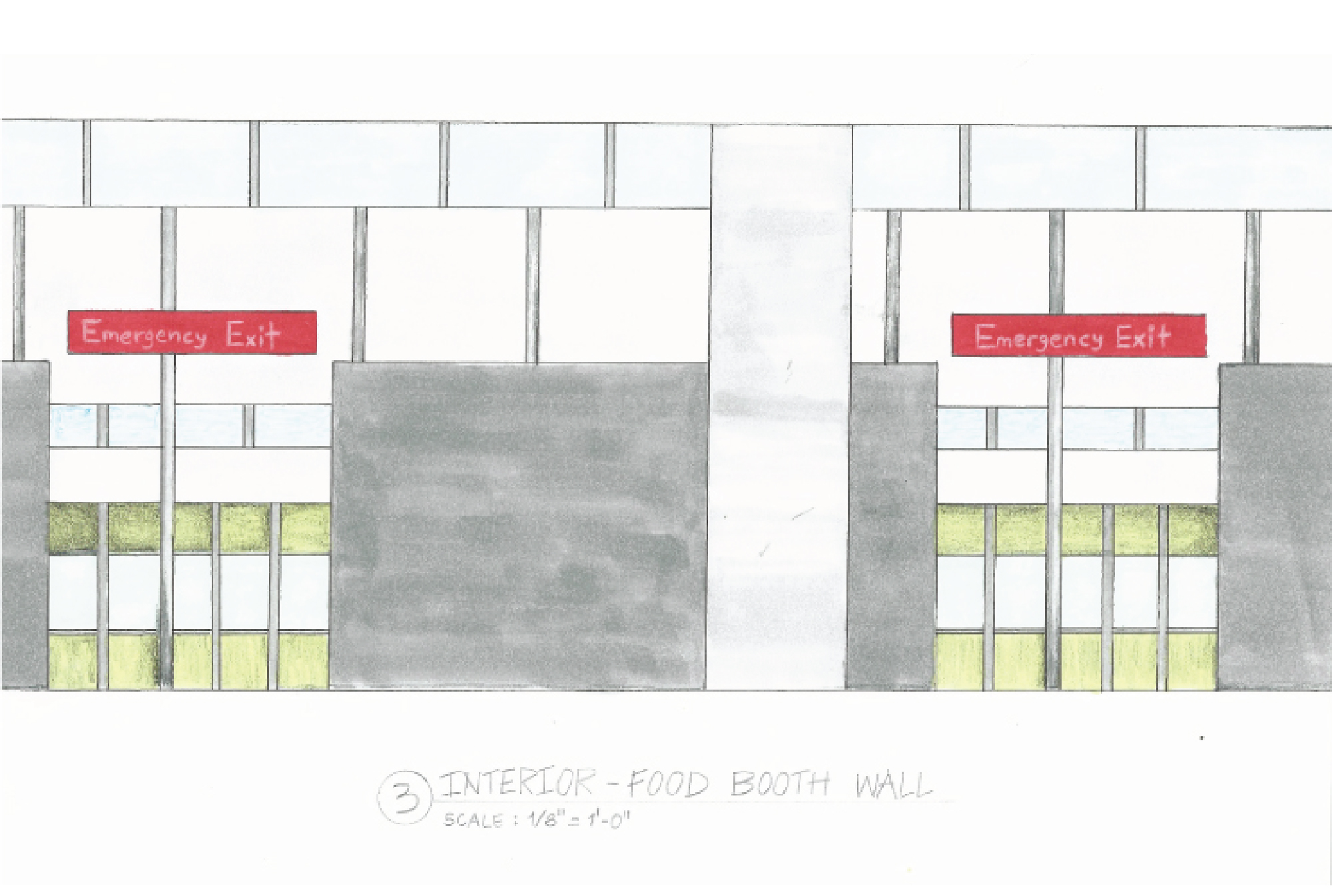
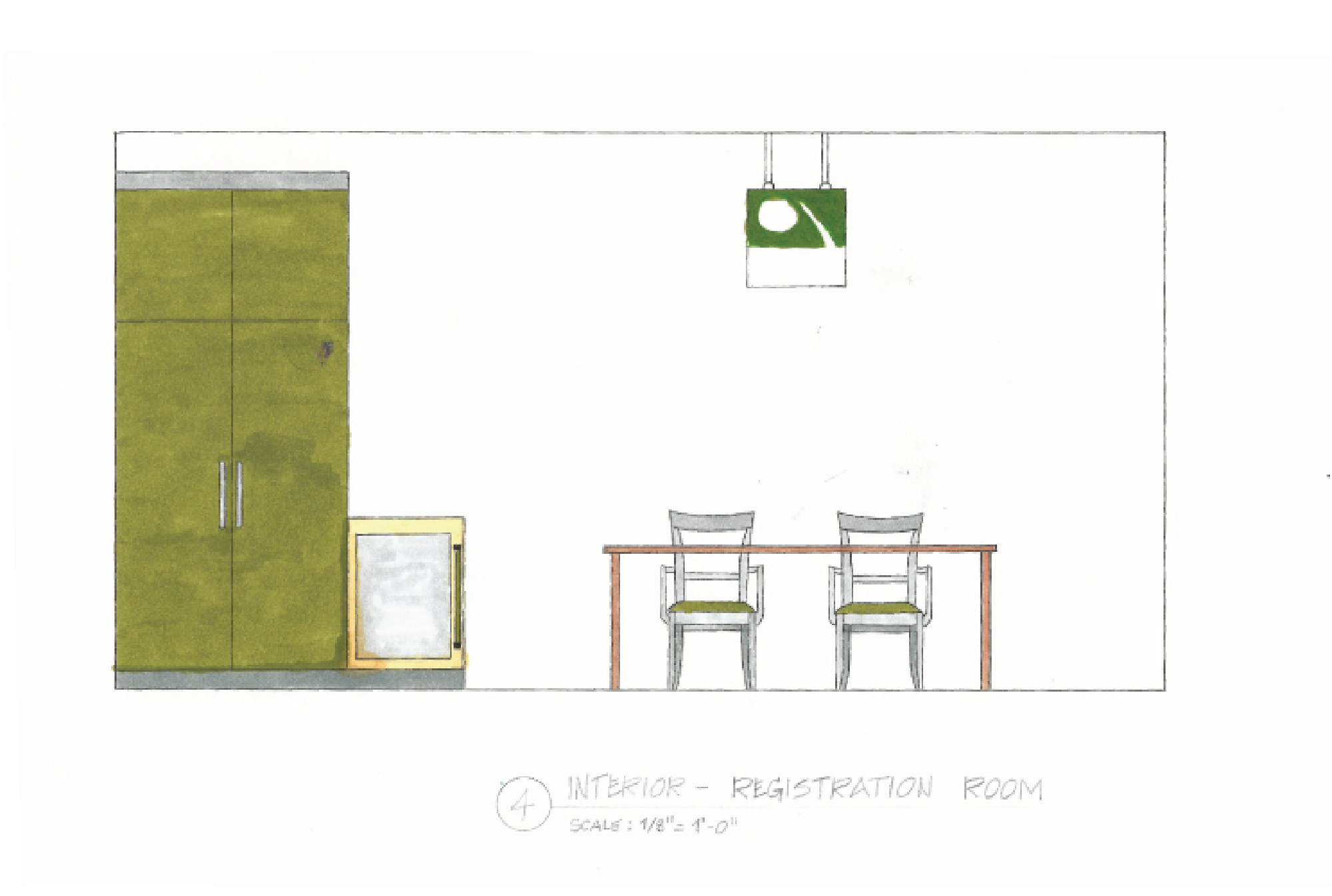
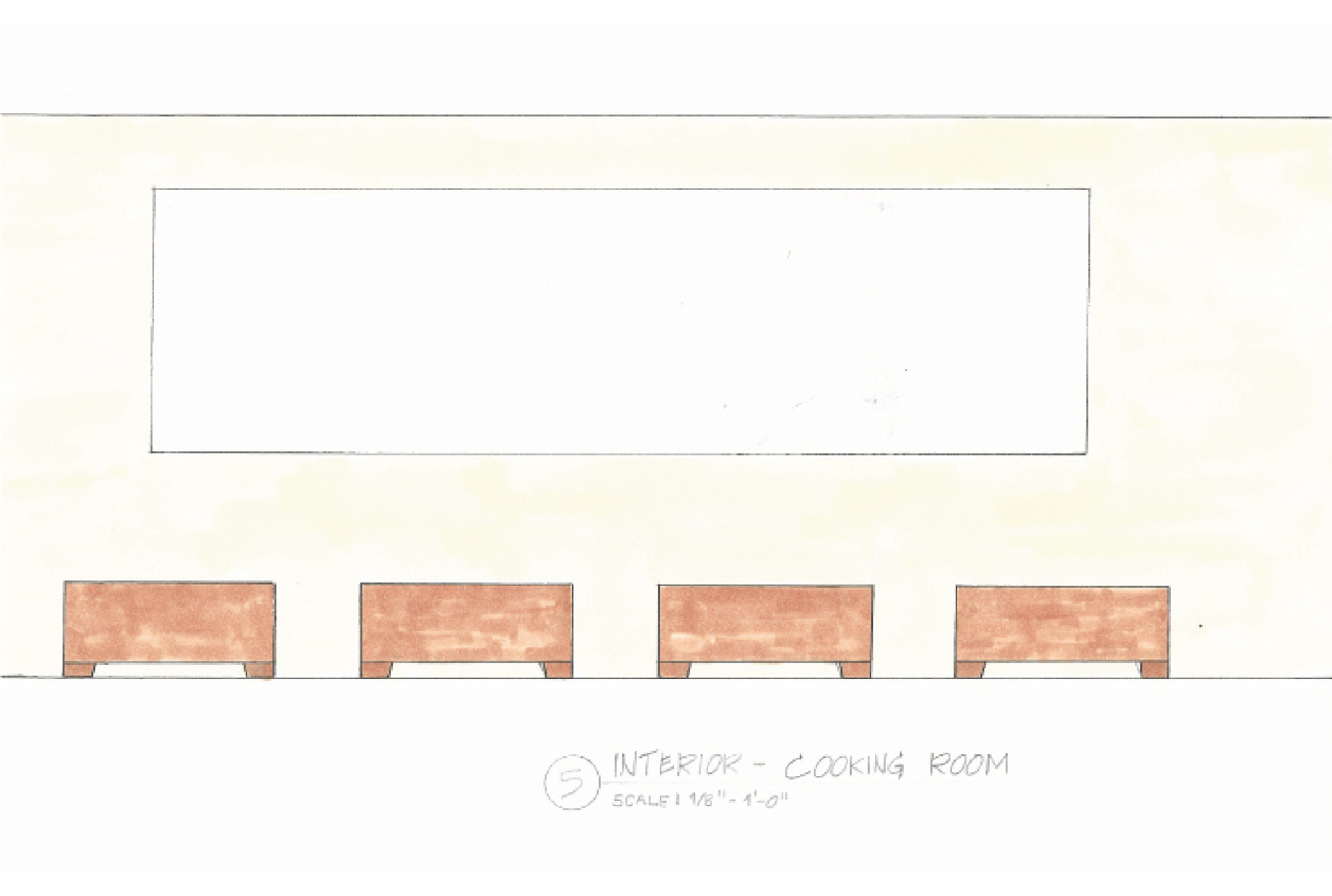
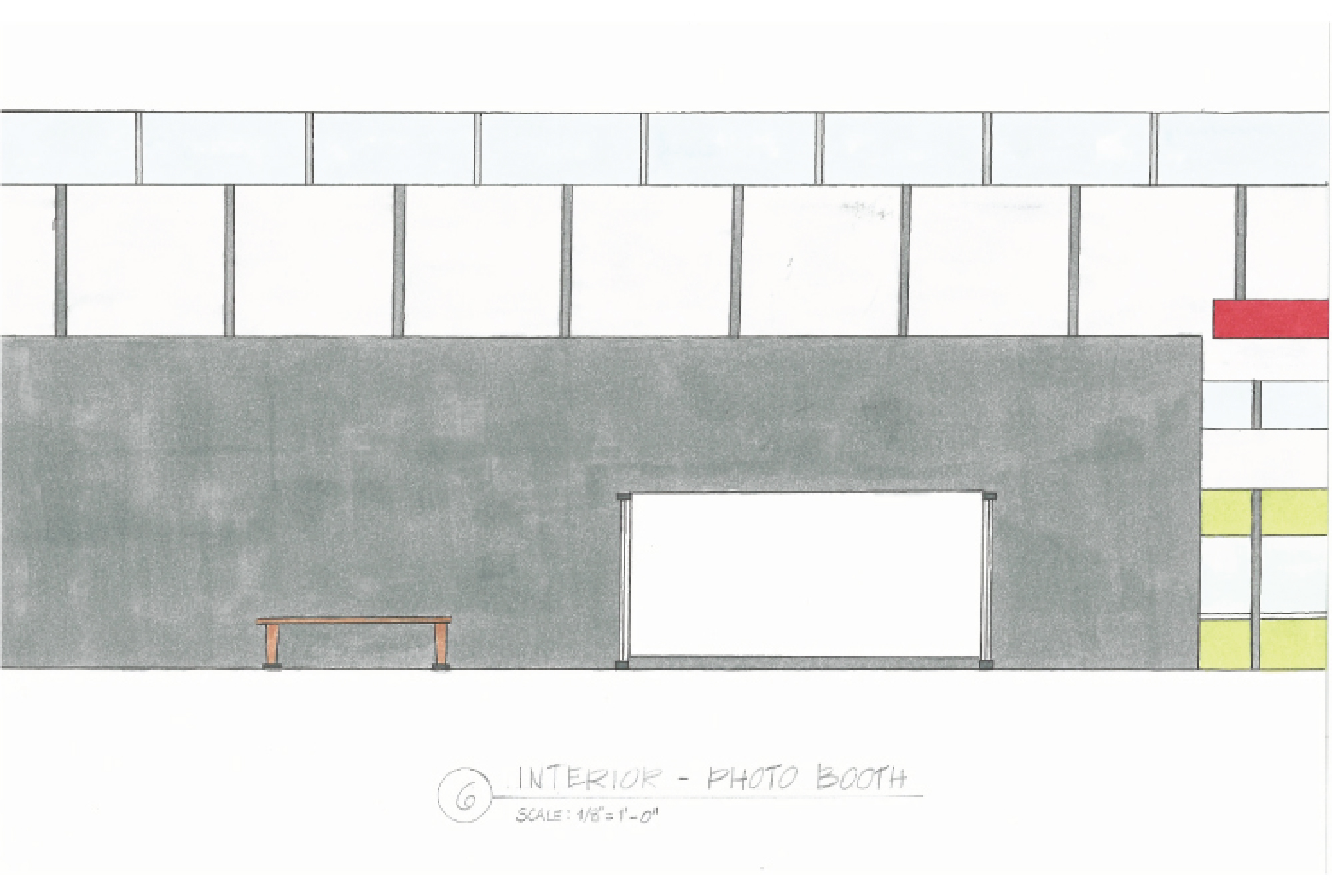

The
App
My research into existing app designs showed that clean, minimal layouts, like the bottom middle, bottom left, and top right examples, were easier to navigate than image-heavy ones like the top left. I carried that simplicity into the Shakahari app.
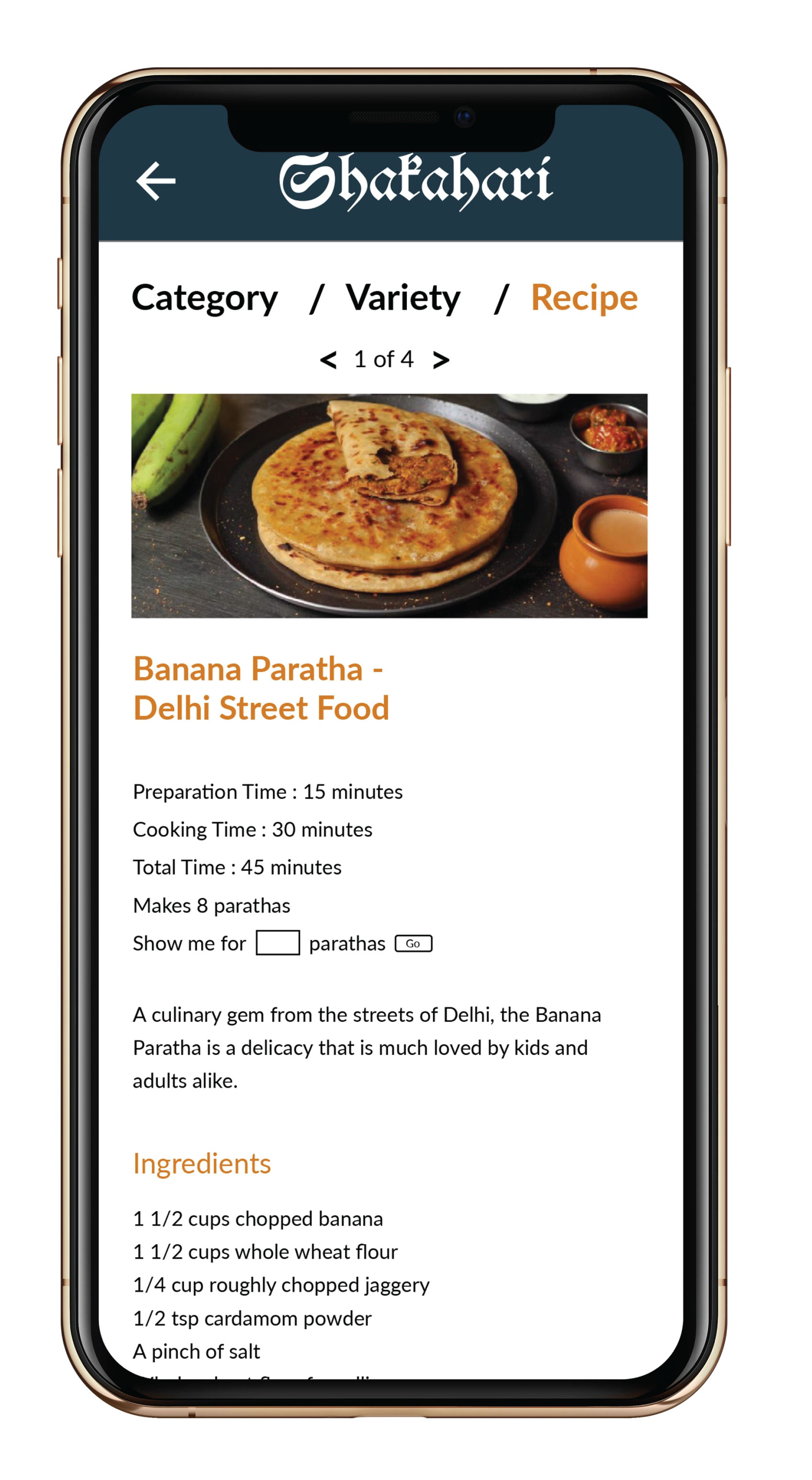
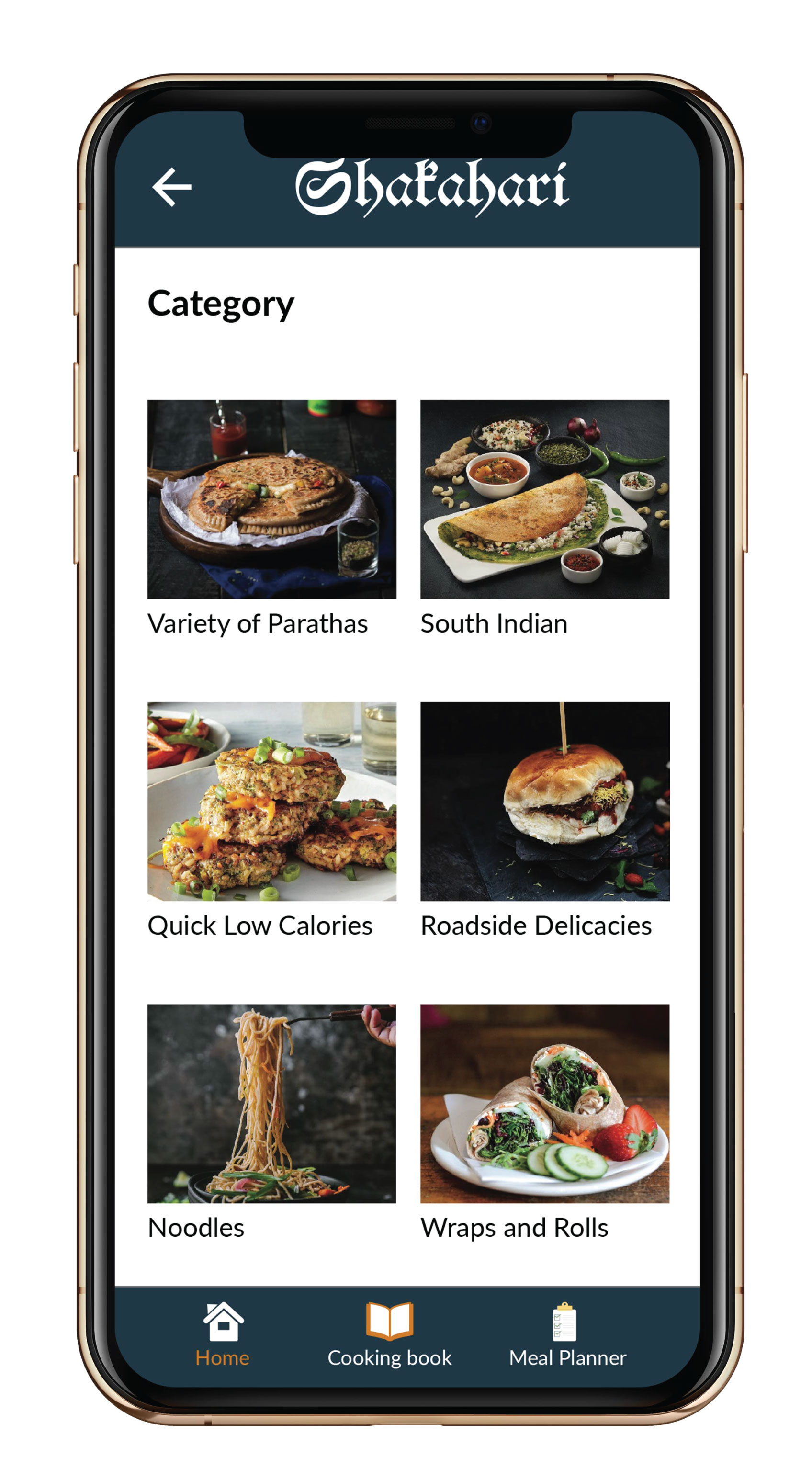
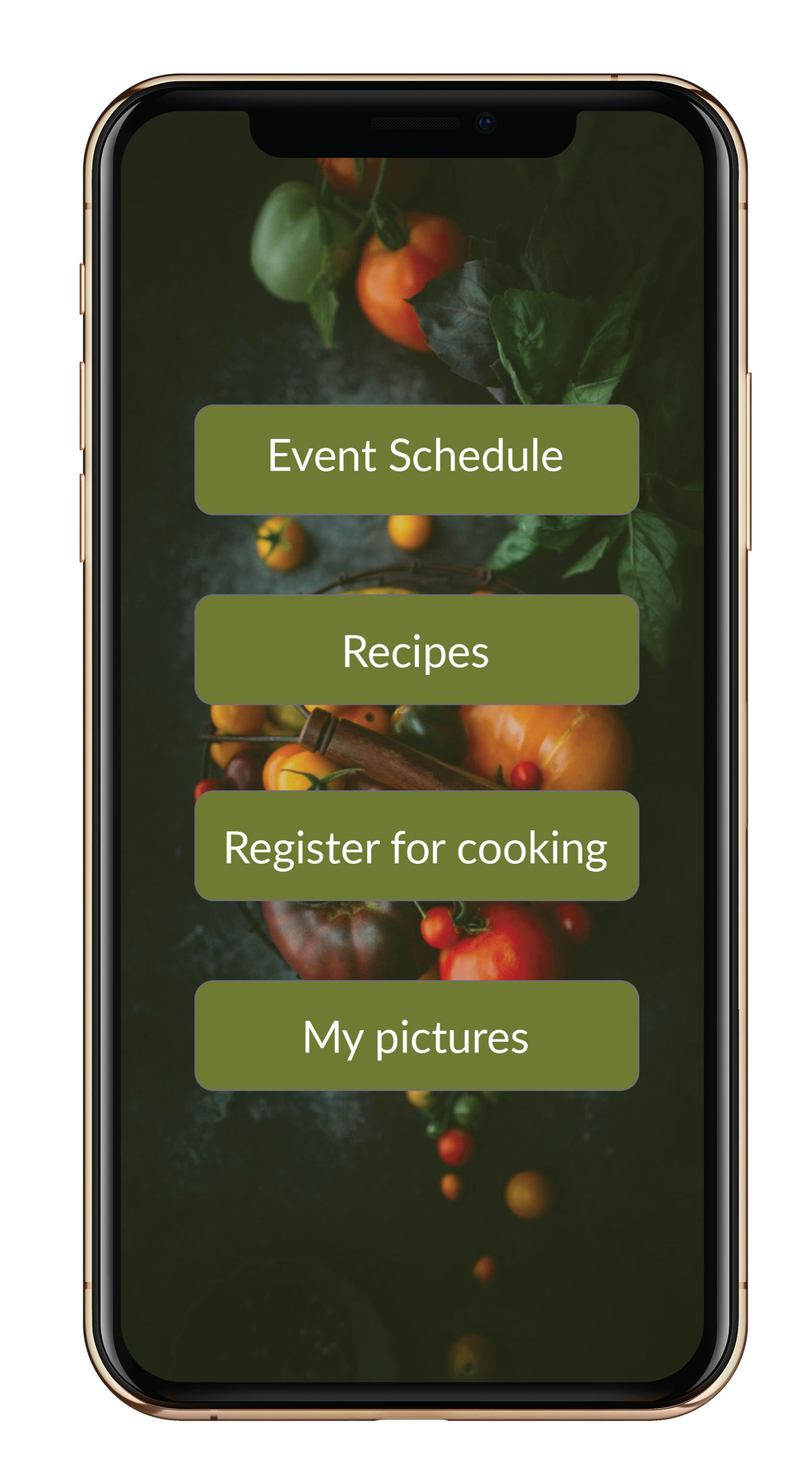
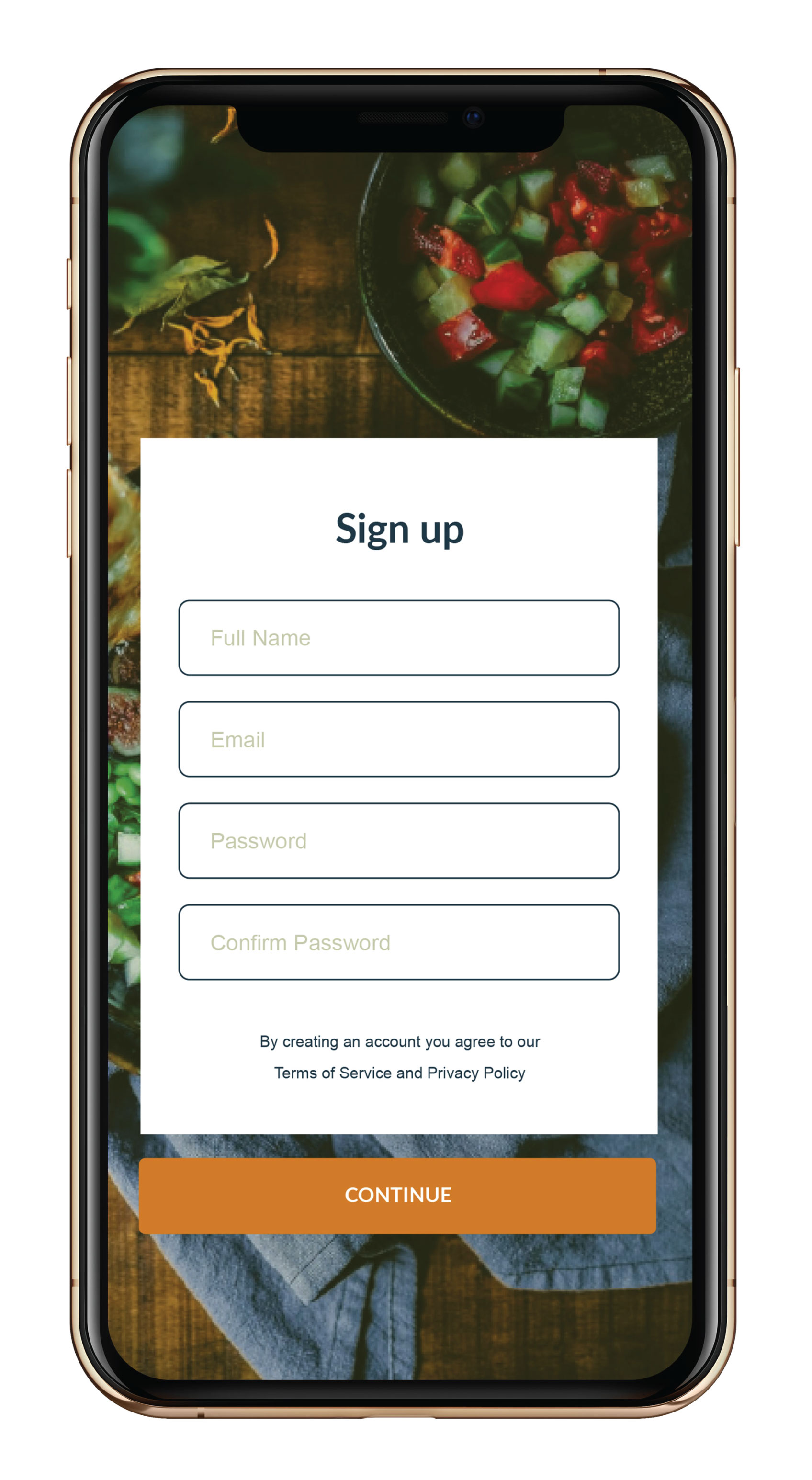
With our app, guests can easily explore the event schedule, register for cooking sessions, and view or print their photo booth pictures. You can also discover healthy vegetarian recipes, save your favorites to your personal cookbook, and automatically generate a shopping list for the dishes you want to prepare. Everything you need is in one simple app—no need to search online for recipes.